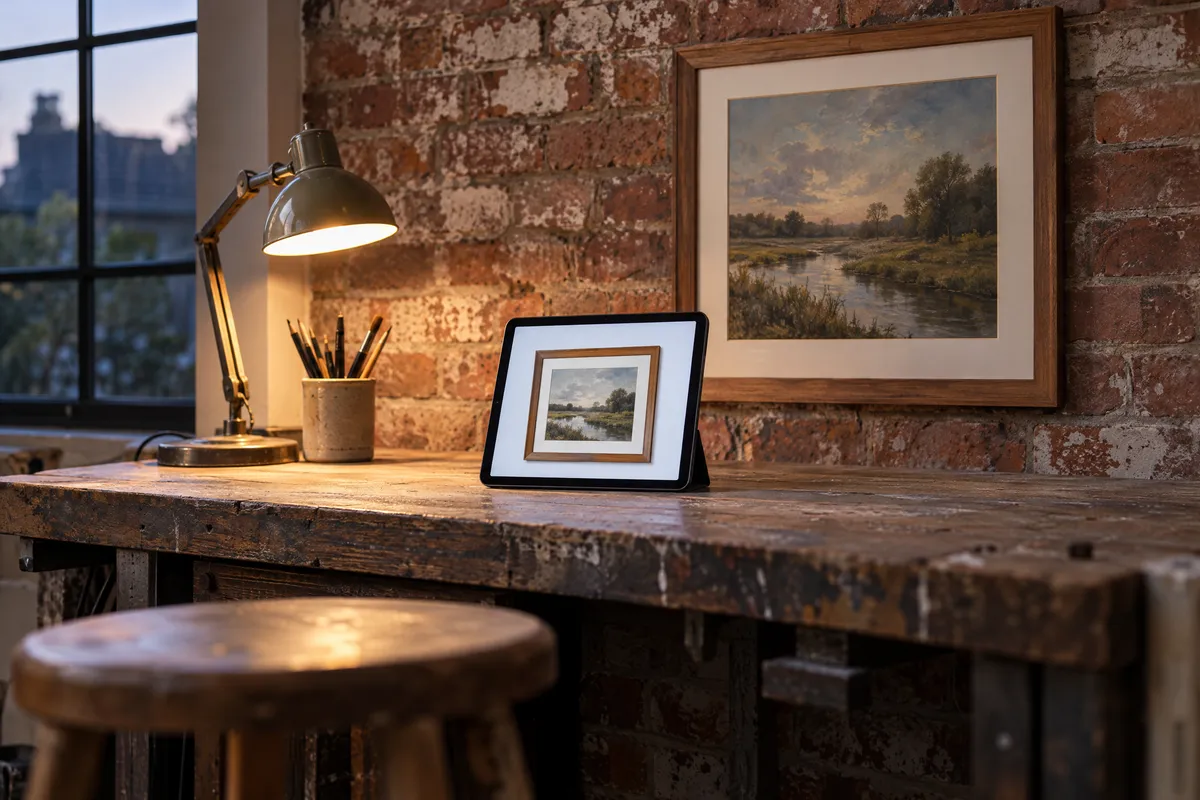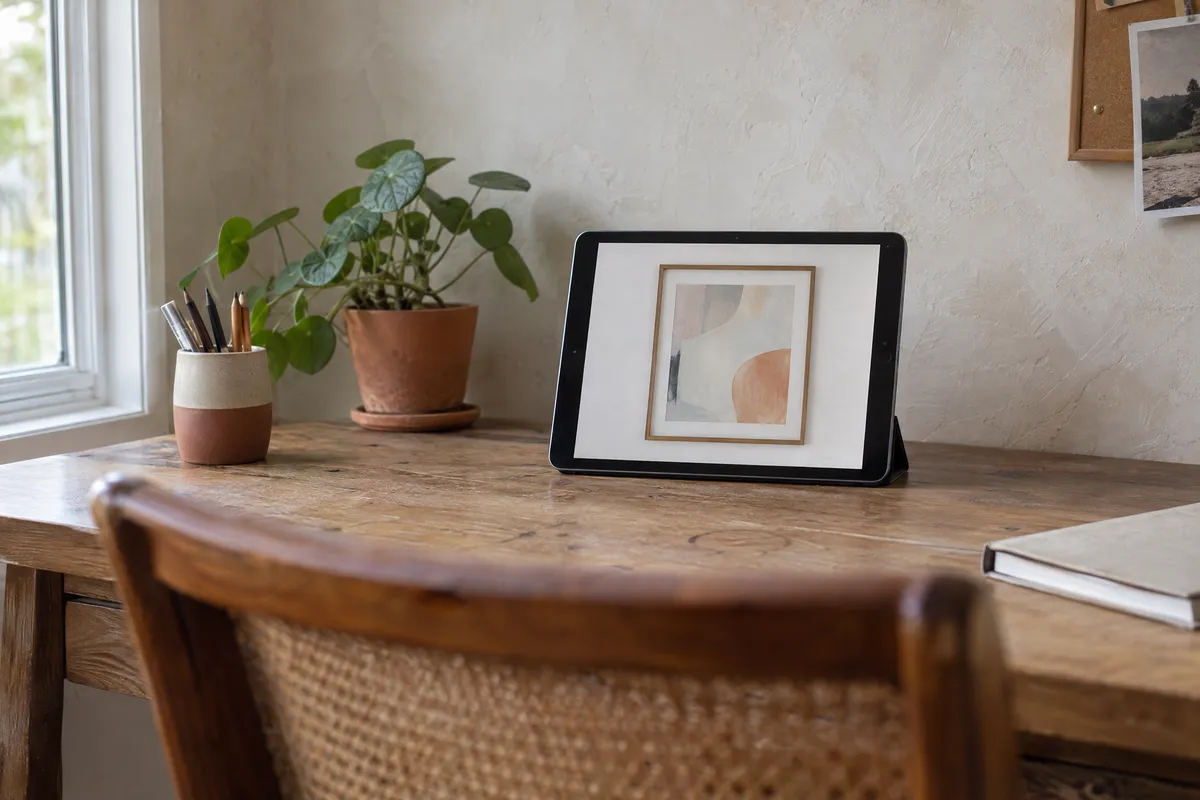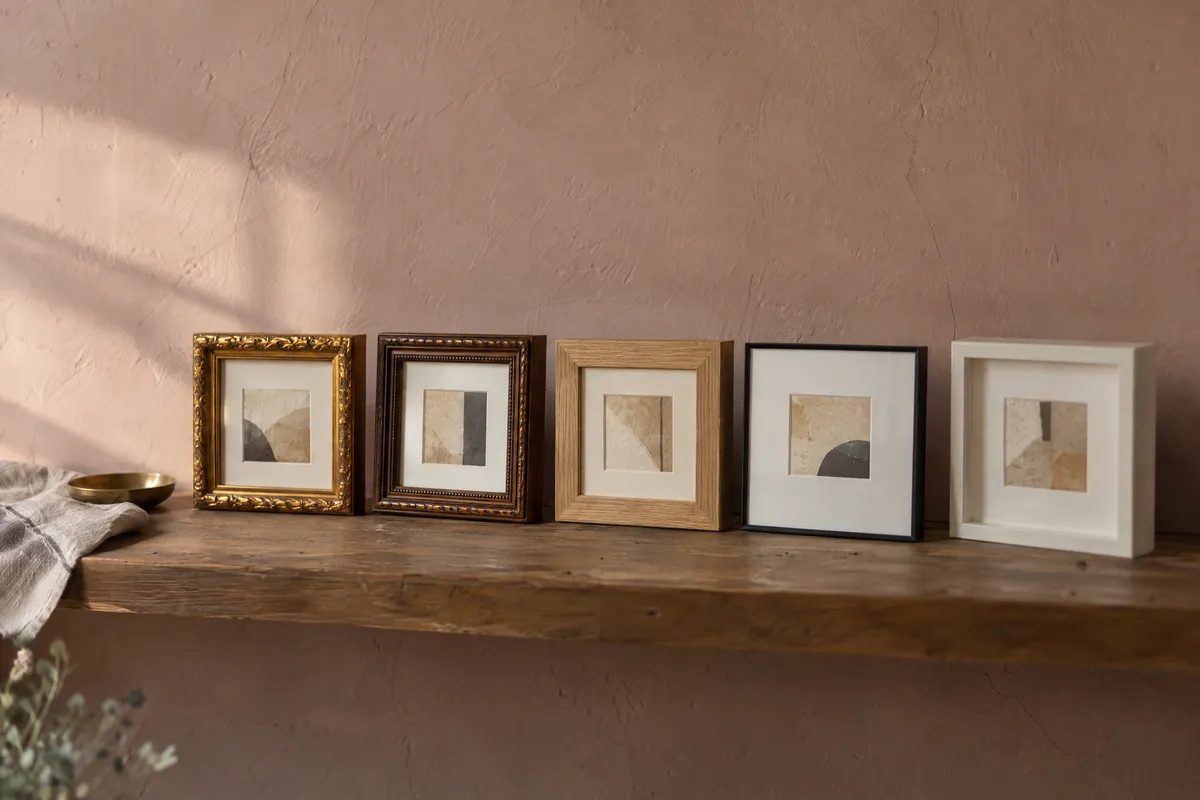
Picture frames have evolved over centuries, from elaborate gilded masterpieces to sleek minimalist profiles. Understanding the major frame styles helps you select the perfect frame for any artwork and interior. This guide explores the four main categories of frame styles and when to use each.
The Evolution of Picture Frames
Frames weren't always about aesthetics. Early frames in medieval Europe served practical purposes: protecting valuable artworks and integrating them into architectural settings. Renaissance artists began designing frames as integral parts of their compositions.
By the Baroque period, frames had become works of art themselves, featuring elaborate carvings and gilding. The 20th century brought a dramatic shift toward simplicity, eventually giving rise to today's minimal and floating frame styles.
Understanding this evolution helps explain why certain frames feel "right" with particular artwork styles.
Classic Picture Frame Styles
Classic frames represent the traditional approach to framing that has dominated for centuries. These frames communicate permanence, value, and respect for artistic tradition.
Characteristics of Classic Frames
- Materials: Primarily wood, often hardwoods like oak, walnut, or mahogany
- Profiles: Substantial width (1.5-3 inches), often with carved or beveled details
- Finishes: Natural wood stains, gold or silver leaf, antiqued surfaces
- Details: May include beading, rope patterns, or simple carved elements
When to Use Classic Frames
Best artwork matches:
- Oil paintings (landscapes, portraits, still life)
- Traditional watercolors
- Representational art
- Family portraits and heirloom photographs
- Reproductions of classical works
Best interior settings:
- Traditional and transitional homes
- Formal living and dining rooms
- Studies and libraries
- Rooms with antique furniture
Color considerations:
- Warm wood tones complement warm-toned artwork
- Gold accents suit classical and warm pieces
- Dark frames add drama and formality
Classic Frame Variations
Gallery wood: Simple, clean-lined wood frames in natural or stained finishes
Ornamental wood: Frames with carved details, but less elaborate than baroque
Linen-wrapped: Fabric-covered frames for a softer, traditional look
Museum style: Wider profiles designed for significant artworks
Explore classic frame options →
Advertisement
Modern Picture Frame Styles
Modern frames emerged in the 20th century alongside modern art movements. They reject ornament in favor of clean lines and honest materials.
Characteristics of Modern Frames
- Materials: Metal (aluminum, steel), painted wood, acrylics
- Profiles: Clean geometric shapes, often angular
- Finishes: Matte black, brushed metal, high gloss, bold colors
- Details: Intentionally minimal; the frame is secondary to the art
When to Use Modern Frames
Best artwork matches:
- Abstract and contemporary art
- Black and white photography
- Modern graphic prints
- Pop art and digital art
- Minimalist compositions
Best interior settings:
- Contemporary homes and apartments
- Mid-century modern spaces
- Industrial lofts
- Modern offices
- Gallery and museum settings
Color considerations:
- Black frames provide strong definition
- White frames create gallery aesthetics
- Metal frames suit industrial settings
- Colored frames can make bold statements
Modern Frame Variations
Metal gallery frames: Thin aluminum profiles in various finishes
Box frames: Deep profiles that create shadow box effects
Float frames: Artwork appears suspended, not touched by frame
Canvas wraps: Frameless presentation for canvas prints
Explore modern frame options →
Minimal Picture Frame Styles
Minimal frames take the modern aesthetic further, reducing the frame to its essential function: a finished edge that protects without distracting.
Characteristics of Minimal Frames
- Materials: Thin wood, metal, or composite materials
- Profiles: Very narrow (under 1 inch), often under 0.5 inches
- Finishes: Simple colors (black, white, natural wood)
- Details: None; the frame virtually disappears
When to Use Minimal Frames
Best artwork matches:
- Bold, graphic artwork that speaks for itself
- Fine art photography
- Minimalist compositions
- Series or collections requiring visual unity
- Contemporary illustrations
Best interior settings:
- Minimalist homes
- Scandinavian-inspired spaces
- Gallery walls with many pieces
- Modern apartments
- Creative studios
Color considerations:
- Match or slightly contrast with mat/wall
- Black provides subtle definition
- White creates seamless gallery look
- Natural wood adds warmth without distraction
Minimal Frame Variations
Slim profiles: Standard thin frames
Frameless clips: Glass held by invisible hardware
Magnetic frames: Ultra-thin magnetic assemblies
Gallery style: Thin frames with generous mat boards
Explore minimal frame options →
Baroque and Ornate Frame Styles
Baroque frames represent the opposite end of the spectrum from minimal. These elaborate frames are themselves artistic statements.
Characteristics of Baroque/Ornate Frames
- Materials: Carved wood, gesso, composition molding
- Profiles: Wide and elaborate (2-6+ inches)
- Finishes: Gold leaf, silver leaf, antiqued metals
- Details: Scrollwork, floral motifs, shells, acanthus leaves
When to Use Baroque/Ornate Frames
Best artwork matches:
- Classical oil paintings
- Old master reproductions
- Formal portraits
- Mirrors (as decorative elements)
- Statement pieces deserving dramatic presentation
Best interior settings:
- Victorian and period homes
- Formal dining rooms
- Grand entries and foyers
- Maximalist interiors
- Spaces designed around the piece
Color considerations:
- Gold suits warm and classical imagery
- Silver works with cool tones and formal pieces
- Antiqued finishes reduce ostentation
- Match to existing metallic elements in room
Ornate Frame Variations
Full baroque: Complete with all traditional elements
Rococo: Lighter, more playful scrollwork
Victorian: Often darker, with heavy ornamentation
Venetian: Elaborate with specific Italian influences
Swept frames: Concave or convex profiles with carving
Explore baroque frame options →
Specialty Frame Styles
Beyond the four main categories, several specialty styles serve specific purposes.
Floating Frames
Artwork appears suspended within the frame, with a gap between piece and frame edge. Perfect for:
- Canvas paintings
- Art with edges intended to be seen
- Dimensional pieces
- Modern presentations of traditional media
Shadow Box Frames
Deep frames that allow for dimensional displays. Ideal for:
- Memorabilia and collections
- Textile art
- 3D artwork
- Preserved objects
Poster Frames
Simple, affordable frames for temporary or casual displays:
- Movie and music posters
- Printed reproductions
- Temporary exhibitions
- Dorm rooms and rentals
Diploma and Document Frames
Specialized for certificates and documents:
- Standard document sizes
- Often with specific slot for nameplate
- Classic, professional styling
Choosing the Right Style
Match Art to Frame Era
The simplest rule: match frame era to artwork era.
| Artwork Era/Style | Frame Style |
|---|---|
| Classical/Old Master | Baroque/Ornate |
| Traditional/Representational | Classic |
| Modern (1900-1970) | Modern |
| Contemporary | Minimal or Modern |
| Photography | Minimal or Modern |
Consider the Hierarchy
Decide who should dominate:
- Art-dominant: Use minimal or understated frames
- Balanced: Use complementary frames that enhance
- Frame-as-element: Use frames as intentional design features
Test Before Committing
Use our Picture Frame Generator to visualize different frame styles on your artwork before purchasing. Experimenting digitally saves money and prevents regrets.
Trust Your Instincts
While guidelines help, your response to a framed piece matters most. If a frame feels right, it probably is.
Frame Styles by Room
Living Room
- Classic or modern frames for statement pieces
- Consistent styles for gallery walls
- Larger frames for focal points
Bedroom
- Softer frames: classic wood or minimal
- Personal imagery deserves thoughtful framing
- Avoid heavy or elaborate frames
Dining Room
- Statement frames work well
- Classic frames suit traditional rooms
- Modern frames for contemporary spaces
Home Office
- Professional: clean modern or simple classic
- Consider video call backgrounds
- Avoid distracting ornate frames
Hallways and Entries
- Gallery arrangements with consistent frames
- Durable frames for high traffic
- First impression pieces deserve quality frames
Practical Considerations
Budget
Frame styles vary dramatically in cost:
- Minimal: Generally most affordable
- Modern: Moderate cost
- Classic: Wide range, from affordable to premium
- Baroque/Ornate: Typically most expensive
Durability
Consider longevity needs:
- Metal frames resist warping
- Quality wood frames last decades
- Composite frames may not age as well
- Ornate frames require more careful handling
Trend Resistance
Some styles transcend trends:
- Classic wood frames: Timeless
- Simple modern frames: Long-lasting appeal
- Ornate frames: Perpetually formal
- Trendy colors: May date quickly
Testing Frame Styles
Before committing to physical frames, test styles virtually:
- Visit the Picture Frame Generator
- Upload your artwork
- Try classic, modern, minimal, and baroque styles
- Compare side by side
- Preview on wall backgrounds
- Make confident decisions
Virtual testing takes minutes but saves potential regrets and reframing costs.
Conclusion
Picture frame styles exist on a spectrum from minimal to ornate, with classic and modern styles in between. Understanding these categories helps you:
- Match frames to artwork appropriately
- Create cohesive interior presentations
- Avoid costly framing mistakes
- Communicate your intentions through framing choices
The "right" frame style depends on your artwork, space, and personal aesthetic. Use the guidelines in this article as starting points, test options virtually, and trust your eye.
Explore all frame styles with our free Picture Frame Generator and experiment with classic, modern, minimal, and baroque options on your own artwork.