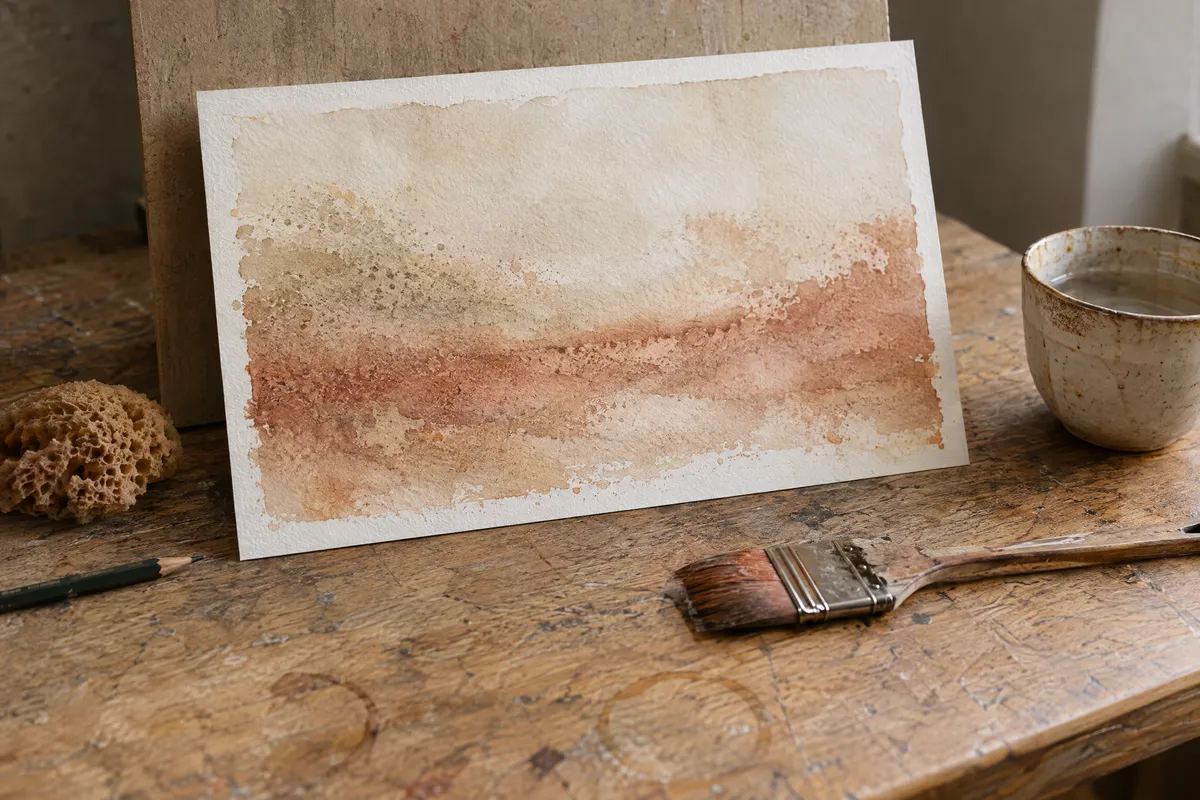
Discover how incorporating texture in watercolor painting can elevate your artwork from flat washes to dynamic, captivating pieces. Dive into advanced techniques and experimental methods that can transform your next masterpiece. Unleash the tactile magic of watercolor!
Incorporating Texture in Watercolor Painting
Watercolor painting, with its ethereal washes and vibrant hues, can sometimes lack an element that adds depth and interest: texture. Bringing texture into your watercolor work can transform a flat image into a striking visual experience, adding a tactile quality that draws viewers in. In this blog post, we’ll explore advanced techniques for creating texture, dig deeper into the artistic expression that these methods can unleash, and discuss some experimental methods and fine art applications to inspire your next masterpiece.
Watercolor Texture: An Artistic Exploration
When thinking of watercolor texture, it often evokes notions of rough, gritty surfaces or the soft, tactile nuances that make a painting come alive. Traditional watercolor methods typically focus on washes, wet-on-wet, and dry brush techniques, but there is a whole world of texture waiting to be explored beyond these basics. Through innovative practices, you can turn your watercolor paintings into works of fine art with rich, dynamic textures.
Creating texture isn't just about borrowing techniques from other mediums; it’s about using the fluidity and transparency of watercolors to manipulate the surface. Whether you’re replicating the rough bark of a tree, the shimmering scales of a fish, or the delicate folds of fabric, texture can add a whole new dimension to your work.
Advertisement
Advanced Techniques for Texture Creation
Salt and Alcohol Effects
One of the most well-known methods to add texture in watercolor painting is the use of salt. Sprinkle salt onto wet watercolor, and as it dries, it absorbs the pigment, creating fascinating, starburst-like textures. Coarse salt creates more dramatic effects compared to table salt, producing varied granulation patterns.
Alcohol is another surprising medium to experiment with. Dropping alcohol on wet watercolor can create intriguing, almost marbled effects. The alcohol pushes the pigment away, forming lighter, organic shapes that add a whimsical quality to your painting. Both these techniques are fantastic for achieving unique textures in skies, underwater scenes, or backgrounds.
Lifting and Scraping
Lifting is the process of removing paint from specific areas of your work to create highlights or texture. This can be achieved with a clean, damp brush or even a piece of paper towel. The degree of lift will depend on how much pigment you apply and how quickly you act.
Scraping involves using tools like a palette knife, credit card, or even fingernails to scrape away layers of wet paint. This can create deep grooves and intricate patterns, simulating rough textures such as bark, rocks, or even coarse fabric. This technique often gives a very physical texture to your work, providing a tangible sense of depth and dimension.
Experimental Methods for Artistic Expression
Using Unconventional Materials
Exploring unconventional materials allows for a greater range of expression in watercolor painting. Below are some materials you can experiment with:
- Cling film (plastic wrap): Laying a piece of cling film over wet watercolor and manipulating it can create fantastic, organic patterns that mimic natural textures like cracked earth or ice.
- Wax and Crayon Resist: By applying wax or crayon to your paper before your watercolor wash, you can create areas of texture as the resist medium repels pigment, leaving behind intriguing designs and patterns. This method is effective for creating water ripples or adding intricate designs.
- Tissue Paper/Absorbent Paper: Pressing tissue or an absorbent paper onto a wet wash can lift pigment, creating soft, cloud-like textures. It can be especially useful for creating the illusion of mist, smoke, or distant foliage.
Application of Masking Fluid
Masking fluid is an indispensable tool for creating intricate textures in watercolor. By applying it to areas you wish to keep white or lighter, you can paint freely over your work without worrying about losing those highlights. Once your painting is dry, simply remove the masking fluid to reveal sharp, textured edges.
Moreover, you can combine masking fluid with other texturing techniques for even more complex effects. For instance, apply masking fluid, lay down a wash, sprinkle salt on top, and lift in regions for a multi-layered textural experience.
Fine Art Applications
Painting Portraits
In portraiture, texture can play a significant role in bringing a character and realism to your subject. Employing dry brush techniques for hair and delicate stippling for skin can add sophisticated textures. Using fine techniques to capture the texture of fabric can bring an element of realism to your painting, as can using scraping methods to mimic the texture of textured clothing, such as denim or wool.
Landscapes and Nature
Watercolor textures shine exceptionally in landscape and nature paintings. Techniques like layering different colors of washes, using salt for granite-like textures, or employing coarse brushes for foliage can bring a scene to life. Think about how different areas of your landscape can benefit from varied textural layers: the roughness of a rocky foreground, the delicate patterns of distant trees, and the fluid, organic motions of water.
Conclusion
Incorporating texture into watercolor paintings opens a world of artistic possibilities. Through advanced techniques and experimental methods, you can enhance your artistic expression and bring a new depth to your fine art endeavors. Experiment freely with materials like salt, alcohol, cling film, and employ methods like lifting, scraping, and masking fluid to discover an array of textures that can transform your watercolors from mere images to immersive experiences.
Remember, the journey of exploring these methods will not only enrich your paintings but also expand your creative horizon, making each piece a unique testimony to the versatility and beauty of watercolor. So grab your brushes, prep your palette, and dive into the mesmerizing world of watercolor textures!