
Framing Your Child's Artwork - A Guide for Parents
Capture your child's creativity forever by framing their artwork. Celebrate their imagination while adding a personal touch to your home decor. Embrace this enchanting journey and elevate your living space with these cherished pieces!
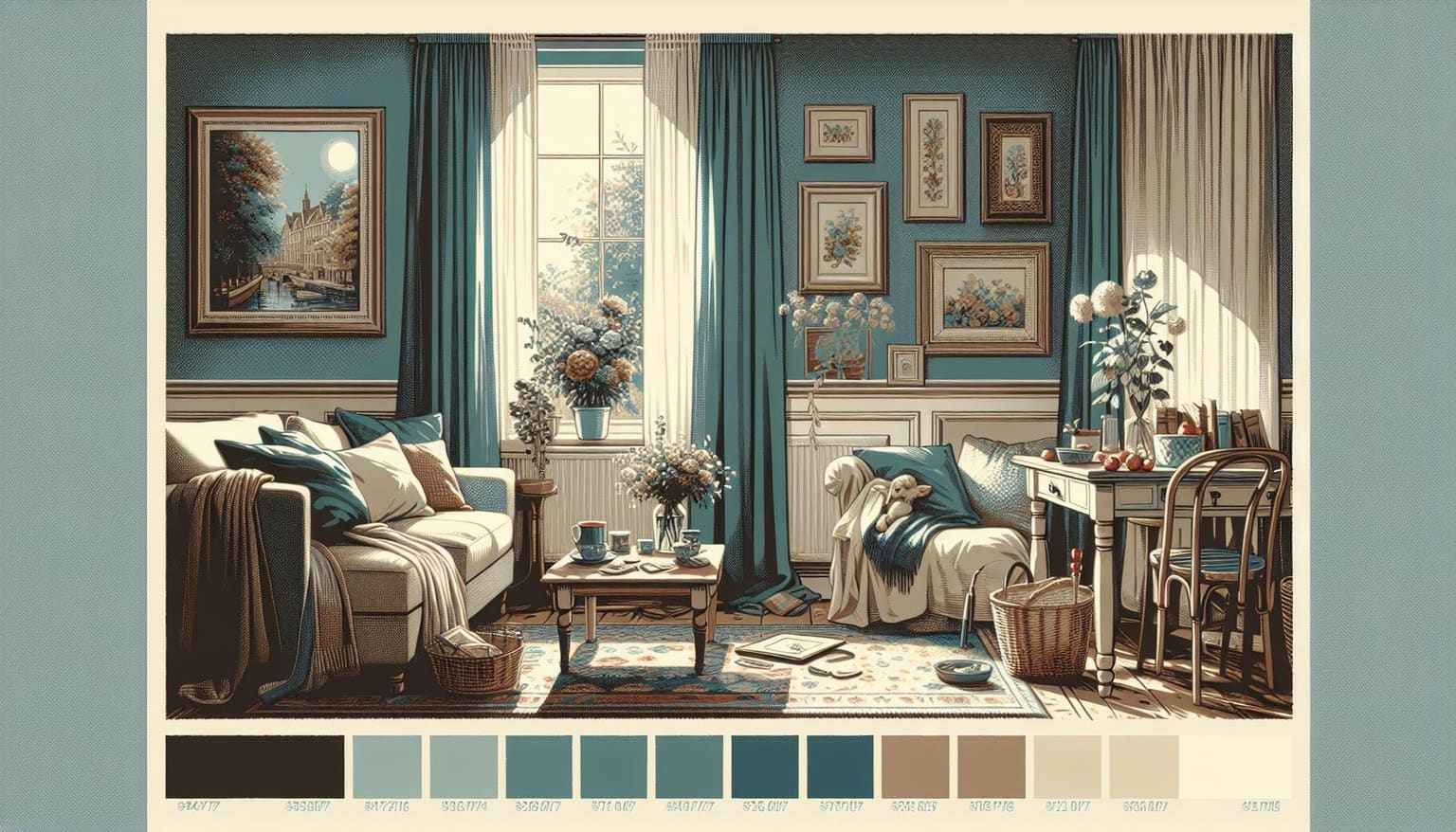 AI-generated image
Introduction to Framing Your Child's Artwork
As parents, marveling at the vivid colors, imaginative worlds, and spontaneous creativity in your child's art is indescribably rewarding. Not only are these masterpieces a window into their developing minds, but they are also precious keepsakes that capture fleeting moments of their growth. What better way to celebrate their artistic journey than by framing their artwork? Framing not only preserves these creative snapshots for years to come but also enhances your home decor, infusing it with a personal and meaningful touch.
Why Frame Your Child's Art?
Framing your child's art is much more than an act of preservation. It is a profound gesture of acknowledgment that signals to your child that their creativity is valued and worthy of display alongside other cherished items in your home. This simple act boosts their confidence, encouraging them to explore and express themselves even more. Furthermore, framed art pieces can introduce a vibrant and unique element to your interior design, becoming conversation starters that reflect your family's personality.
Choosing the Right Artwork to Frame
When selecting pieces to frame, consider art that holds particular significance—perhaps a first effort with a new medium, a colorful self-portrait, or a creation from a memorable day. Remember, the goal is not to achieve perfection. Sometimes the most touching and telling pieces are imperfect and raw, capturing the essence of childhood.
Framing Techniques for Children's Art
The next step is to choose the right framing technique. Here are some practical options to help you get started:
- Standard Frames: Suitable for almost any artwork, standard frames are readily available in a variety of sizes and styles. Choose a frame that complements the colors and mood of the art while fitting seamlessly with your home’s decor.
- Matting: Adding a mat around the artwork can accentuate its colors and provide a visual buffer between the art and frame, giving it more presence and sophistication.
- Floating Frames: These frames can add a modern feel, making it look as if the artwork is suspended within the frame. This is an excellent option for pieces with interesting edges or irregular shapes.
DIY Framing Ideas
For those who enjoy do-it-yourself projects, creating personalized frames can be an exciting endeavor. Using materials like colorful tape, recycled wood, or even washi tape, you can create frames that reflect your family's character.
Making Your Own Frames
- Materials Needed: Gather necessary supplies such as cardboard, rulers, adhesive, and decorative elements. This way, you can create both economical and personalized frames.
- Steps:
- Measure your artwork and cut the cardboard backing accordingly.
- Use adhesive or washi tape to create borders that enhance the colors of the art.
- Add decorative elements such as buttons, stickers, or ribbons to add charm and individuality.
- Benefits: Creating your own frames allows for creative expression while also saving money. It's a fantastic weekend project to involve the kids, turning art framing into another avenue for creativity.
 AI-generated image
Displaying Framed Art in Your Home
Once your child's art is beautifully framed, it’s time to display it prominently. Consider the following tips:
- Gallery Walls: Dedicate a wall or part of a room to showcase a rotating collection of your child's artwork. This setup highlights their evolving skills and keeps your decor fresh.
- Shelf Displays: Use floating shelves or picture ledges to lean frames against the wall. This method allows for easy swapping and rearranging.
- Themed Displays: Group artworks by themes, such as seasons, colors, or subjects, to create cohesive and intriguing narratives across your home décor.
Enhancing Home Decor with Children's Art
Children's artwork can harmonize with your interior design elements in striking ways:
- Color Coordination: Frame pieces that complement the existing color palette of your room, or use a bold artwork as the inspiration to infuse new colors into the space.
- Mix and Match: Combine framed artworks of varying sizes and styles. Mix children's art with other art forms to create depth and interest.
- Highlighting Specific Areas: Use children's art to elevate less-trafficked areas such as stairwells, hallways, or nooks, transforming them into vibrant focal points.
Encouragement Through Framed Art
Ultimately, framing your child's artwork is an act that reinforces the importance of creativity in your home. It not only serves as an artistic record of your child's progress but also solidifies a supportive environment where self-expression is cherished. Over time, these framed pieces will come to symbolize happy memories and shared accomplishments, constantly reminding your family of the beauty in creativity and childhood.
Conclusion
Framing your child's artwork is an investment in both their self-esteem and your home's charm. From selecting meaningful pieces to choosing framing techniques and displaying them with intention, the process is rewarding and enriching. So go ahead, collect those mini masterpieces, and let them breathe life into your walls while celebrating your child's boundless creativity.
By implementing these expert-level tips, you'll not only create a beautiful and personal home environment but also cultivate an encouraging atmosphere for your child’s artistic endeavors. Happy framing!
Try the Picture Frame Generator
Upload your artwork, preview different frames, and download a realistic framed image in minutes.
Try the Picture Frame Generator